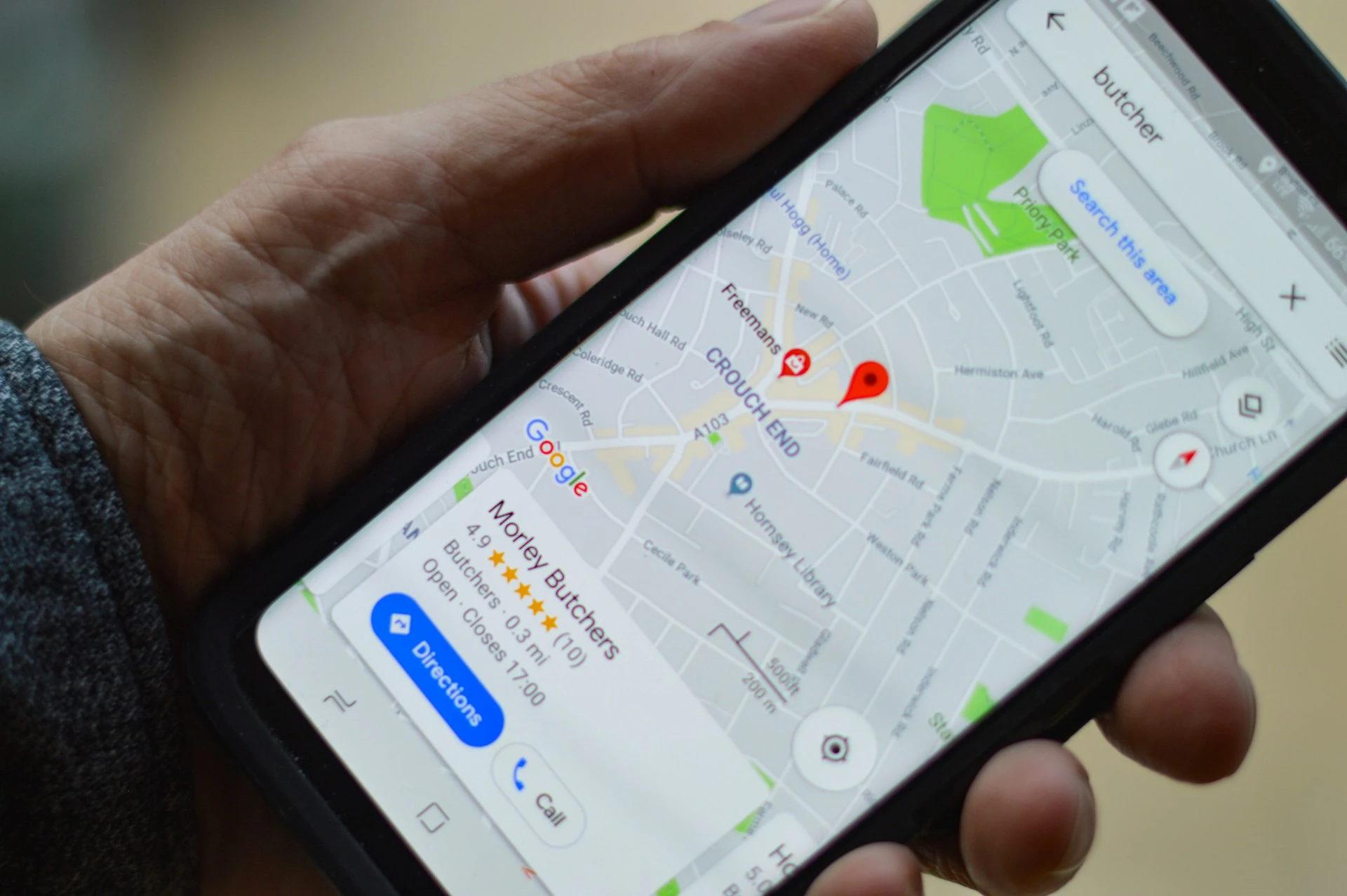
Google Business Profile
Optimise categories, services, media, posts and conversion details for every eligible location.

Fill in your details and we'll get back to you shortly.
Free Consultation from Top Industry Experts
We improve your visibility where local customers search, combining Google Business Profile optimisation, strong location pages and consistent local authority.
Local businesses, professional services, retailers and multi-location brands that need more calls, enquiries, bookings and store visits.
Our work connects technical foundations, useful content, clear authority signals and conversion-focused measurement.
Optimise categories, services, media, posts and conversion details for every eligible location.
Map location and service intent to pages that match how nearby customers search.
Create useful, distinct local pages with clear proof, relevance and conversion paths.
Improve name, address and phone consistency across important business directories.
Build practical review-generation and response workflows that strengthen trust.
Track map visibility, calls, website actions, rankings and lead quality by location.
Review profiles, citations, pages and local competitors.
Correct data, categories, technical issues and conversion gaps.
Publish local content and strengthen reviews and authority.
Measure results by service area and location.
Local SEO
Tell us about your goals, market and current challenges. We will recommend a practical starting scope.
SERVICE GUIDE
Local SEO improves the information customers use to discover and evaluate a business in a particular area. Highbav connects website service pages, accurate business details and Google Business Profile work where the business is eligible. The strategy considers the real service area, customer questions and the path from discovery to a call, visit or enquiry rather than creating a long list of near-identical city pages.
This service suits businesses with a physical location, a genuine service area or several branches that need clear local information. We first establish where the business actually operates and which locations have meaningful differences. A service offered remotely does not automatically justify a local office claim or a profile for every city in a target market.
We review profile ownership, categories, service descriptions and the accuracy of contact details where access is available. Business hours, address or service-area settings should reflect the real operation. Website and directory information is checked for contradictions. Profile changes must follow the platform’s eligibility and representation rules, with important updates approved by the business.
A useful location page explains the services available there, how customers are served and what affects the buying decision. We use actual coverage, relevant examples and clear contact routes instead of changing only the place name. For multiple branches, internal links and page hierarchy help visitors find the right location without making them compare a set of indistinguishable pages.
A review process should make it easy for real customers to share honest feedback. We can plan request timing, response guidance and escalation for service issues without inventing testimonials or filtering requests only to satisfied customers. Relevant local references and consistent listings support credibility, while on-page content addresses the practical questions people ask before choosing a nearby provider.
The engagement starts with coverage, profile access and a review of website and listing consistency. We prioritise issues that prevent customers reaching the correct business, then improve service explanations and local page structure. Review workflows and reporting are agreed with the team handling enquiries. Additional branch work is scoped according to its own operational details rather than treated as a copy-and-paste task.
We consider useful calls, website visits, direction requests where applicable and qualified enquiries by service area. Local rankings depend partly on the searcher’s location, so a single map position is incomplete evidence. Reporting records the context of visibility checks and connects them with the actions available in profile and website data.
Only where the business meets the platform’s eligibility and representation rules. A target market is not the same as a staffed business location. We review the real operating model before recommending profiles, and we do not invent addresses to create a local presence.
Only when a page can provide meaningful information for that audience. Coverage, logistics, branch details and distinct service needs can justify separate pages. If the only difference is a town name, a clear regional page is often more useful than many thin copies.
No. Local results vary with relevance, distance, competition and the search context. We improve the business information, website and customer journey you can control. Reporting should show useful progress and enquiries without promising the same map placement for every searcher.